Digital sovereignty in practice: IKARUS and HarfangLab as a success story for European cybersecurity
3. December, 2025

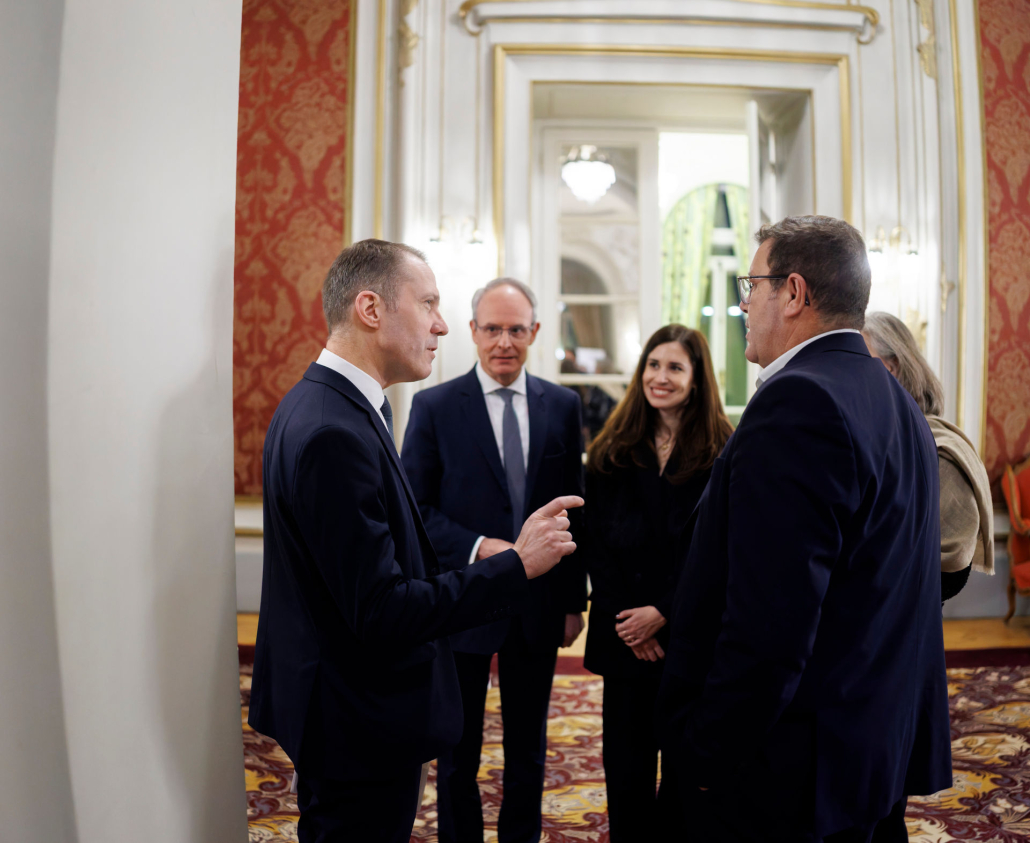
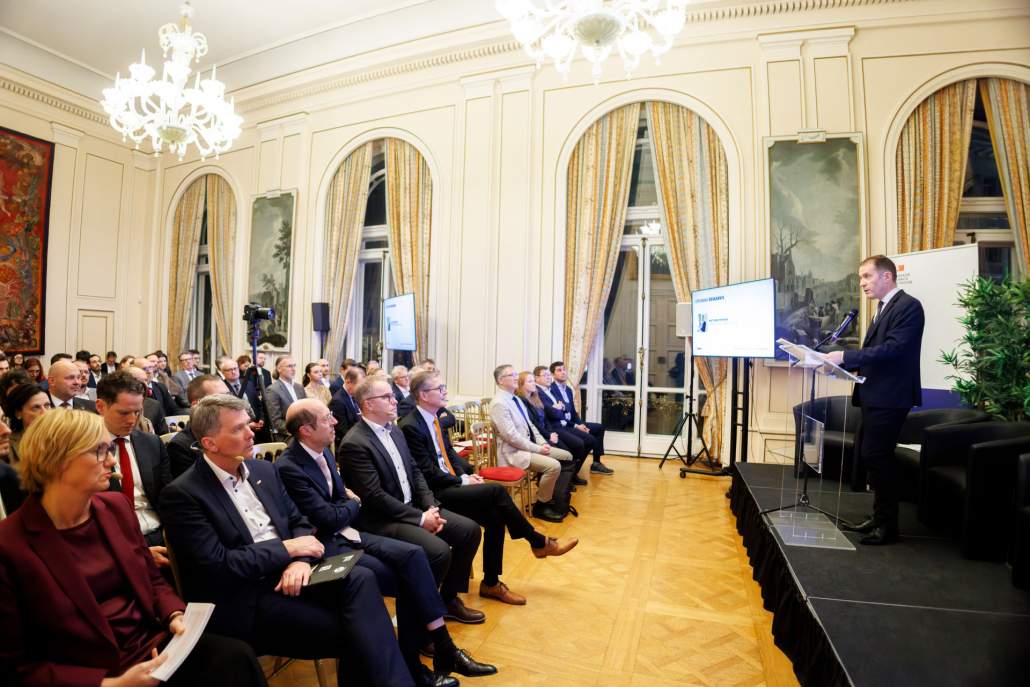
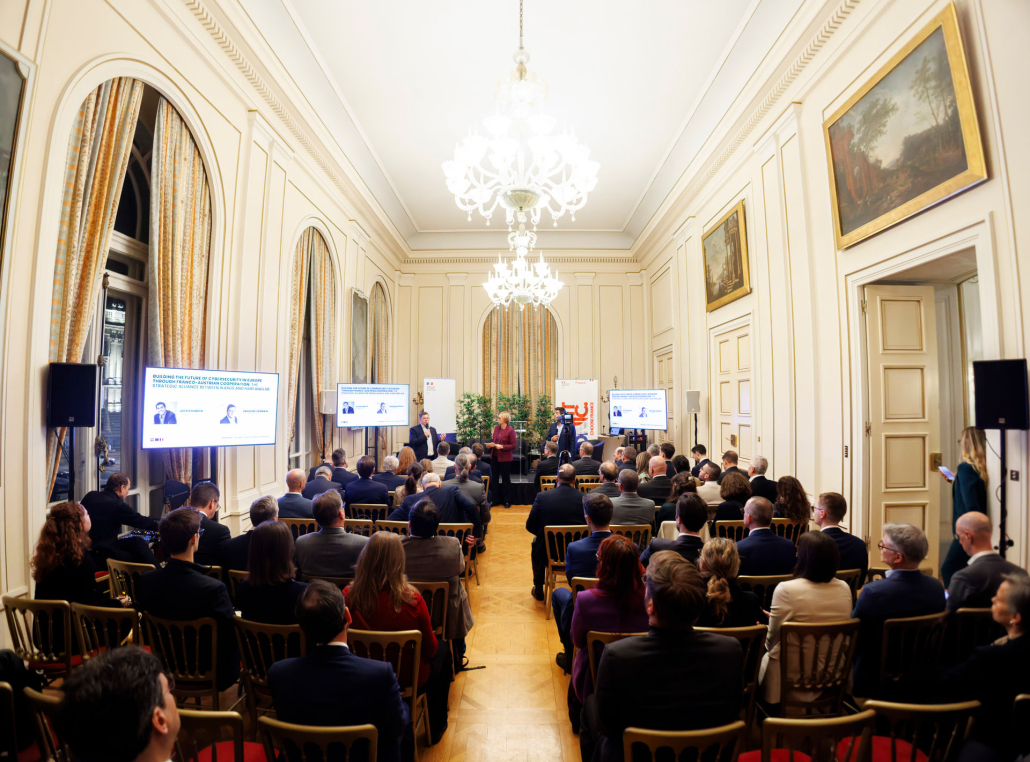
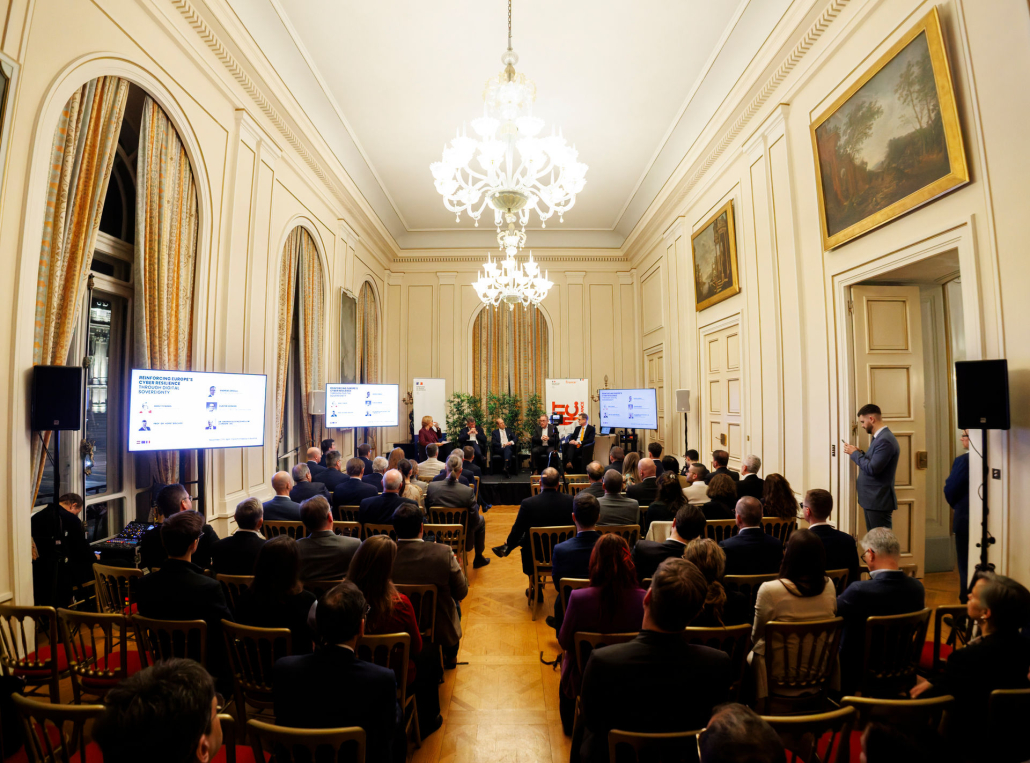
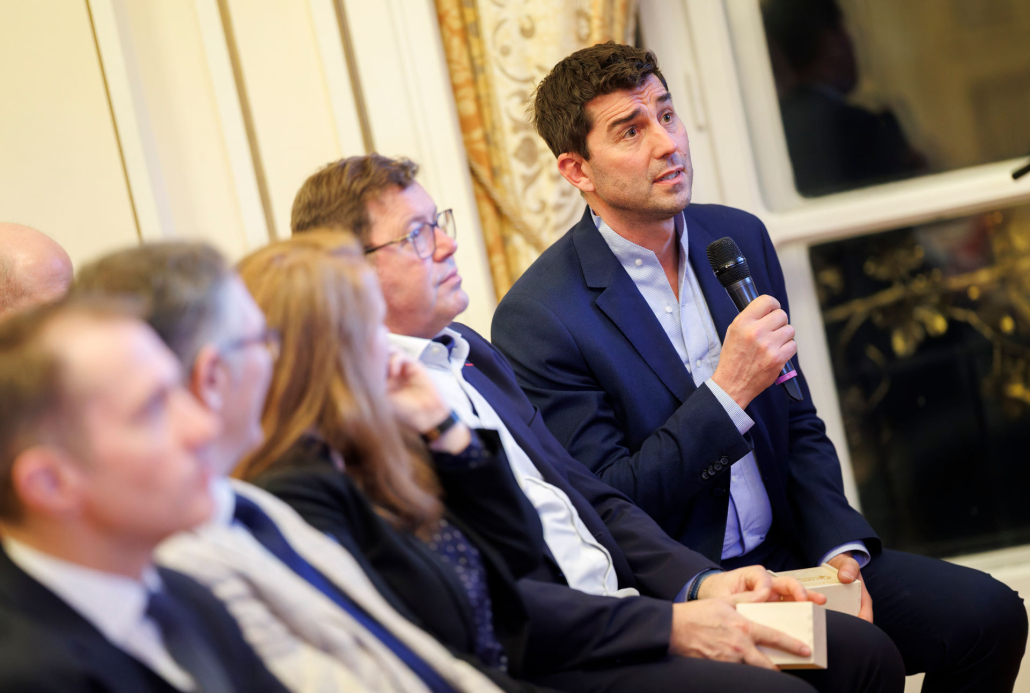
Digital sovereignty has become a buzzword in recent years — one that has gained momentum fast, yet is still understood in very different ways. That is exactly why we intentionally “put it to the test” at our high-level event at the French Embassy in Vienna, together with senior representatives from business, the public sector, and research.
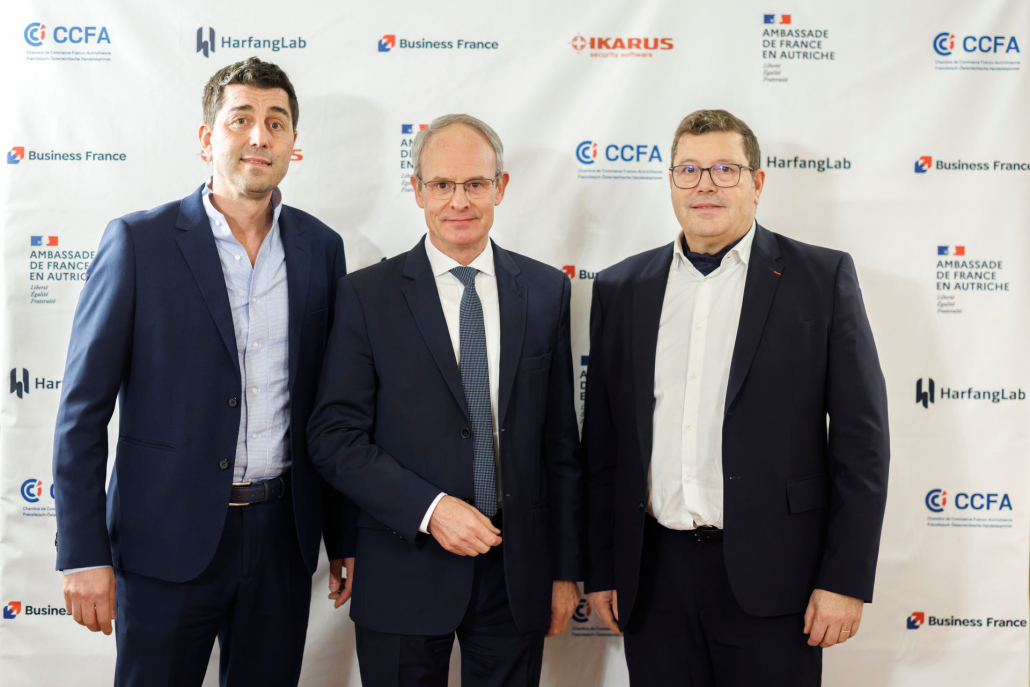
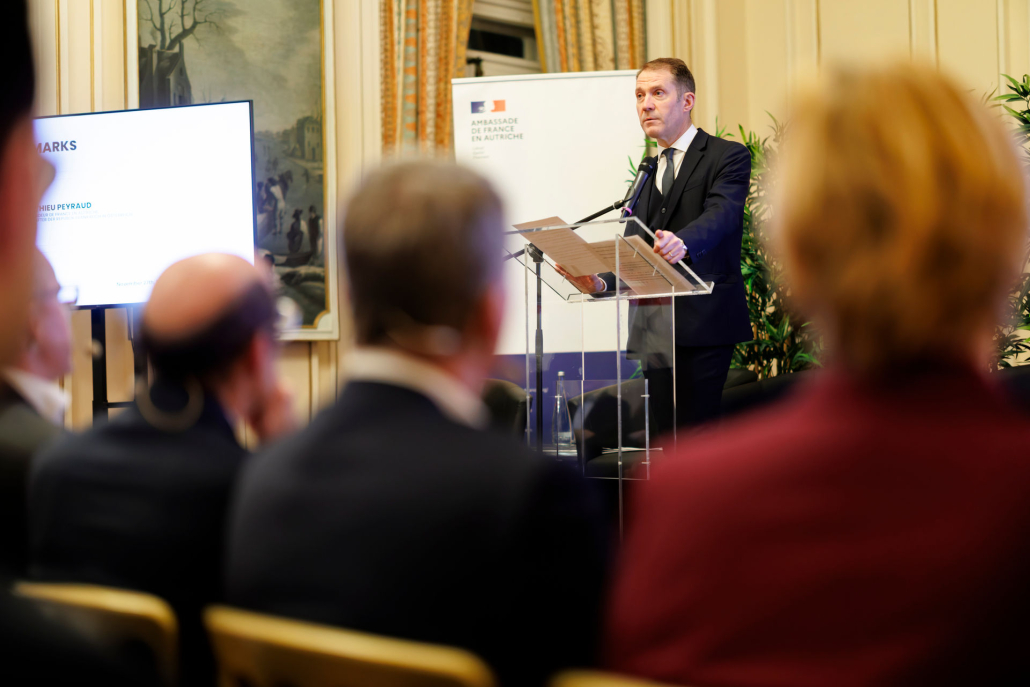
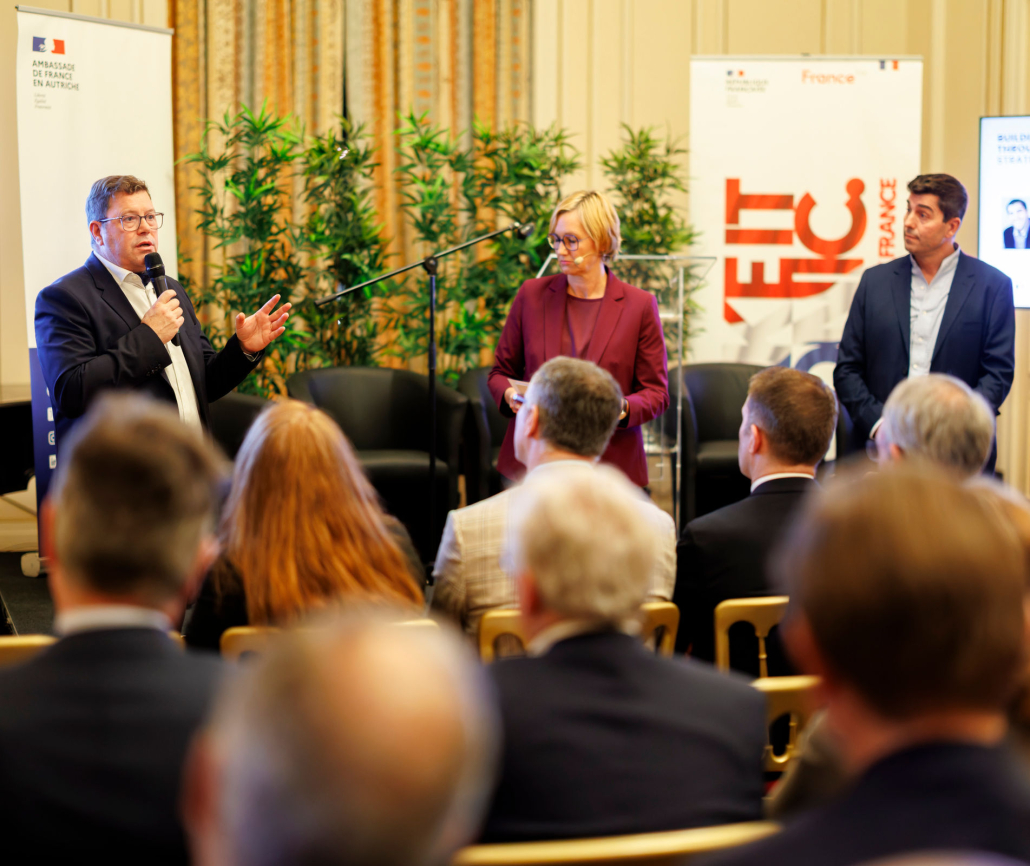
In his opening remarks, H.E. Matthieu Peyraud, French Ambassador to Austria, highlighted how profoundly the security environment has changed: Europe is now among the regions most targeted in cyberspace worldwide — and Europe’s ability to prevent attacks, withstand them, and recover quickly is no longer a luxury, but a prerequisite for security, prosperity, and trust. Equally clear was his call for Europe to strengthen its capacity to act: lasting European security requires a solid industrial and technological base in Europe.
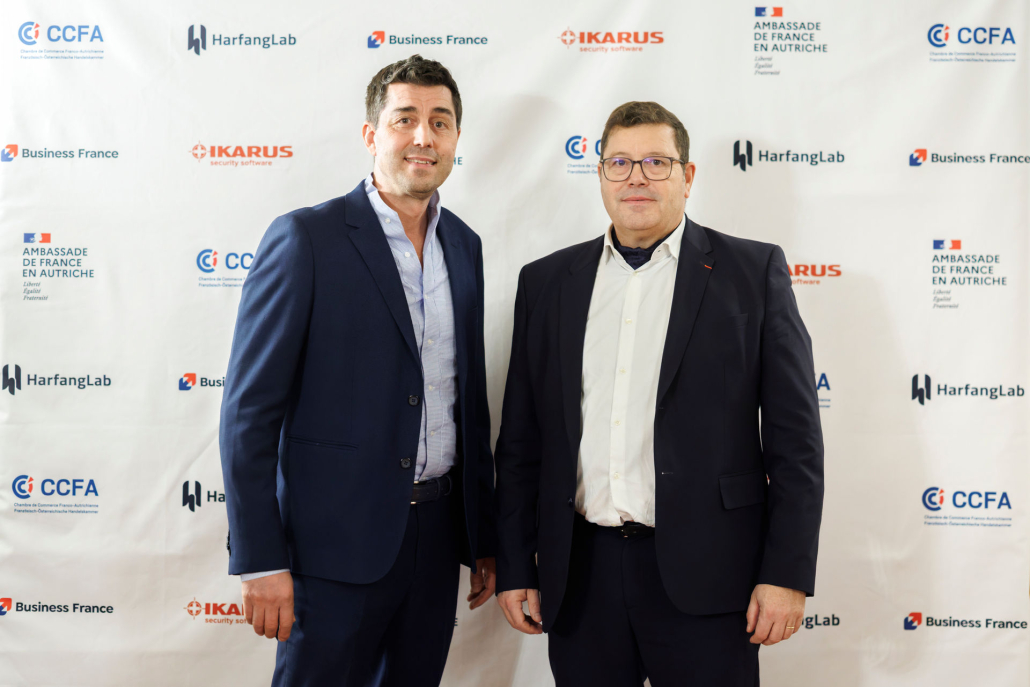
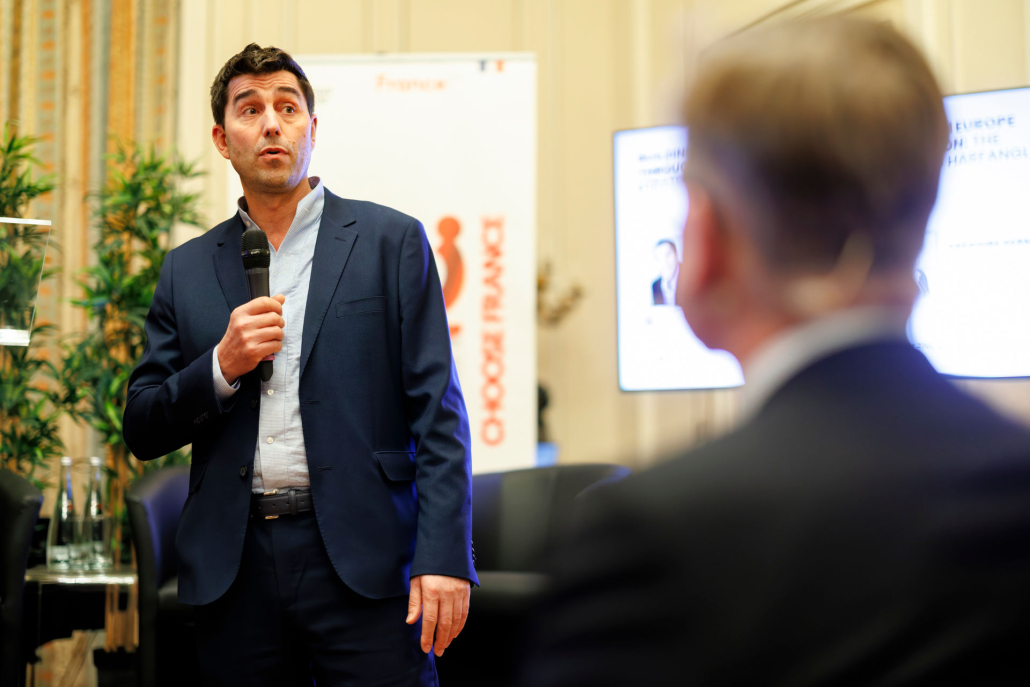
Our aim was to explore digital sovereignty from multiple perspectives — and at the same time to show how it can already be implemented step by step in practice. A tangible example of this is the bilateral success story of IKARUS and HarfangLab, which our CEOs presented right afterwards.
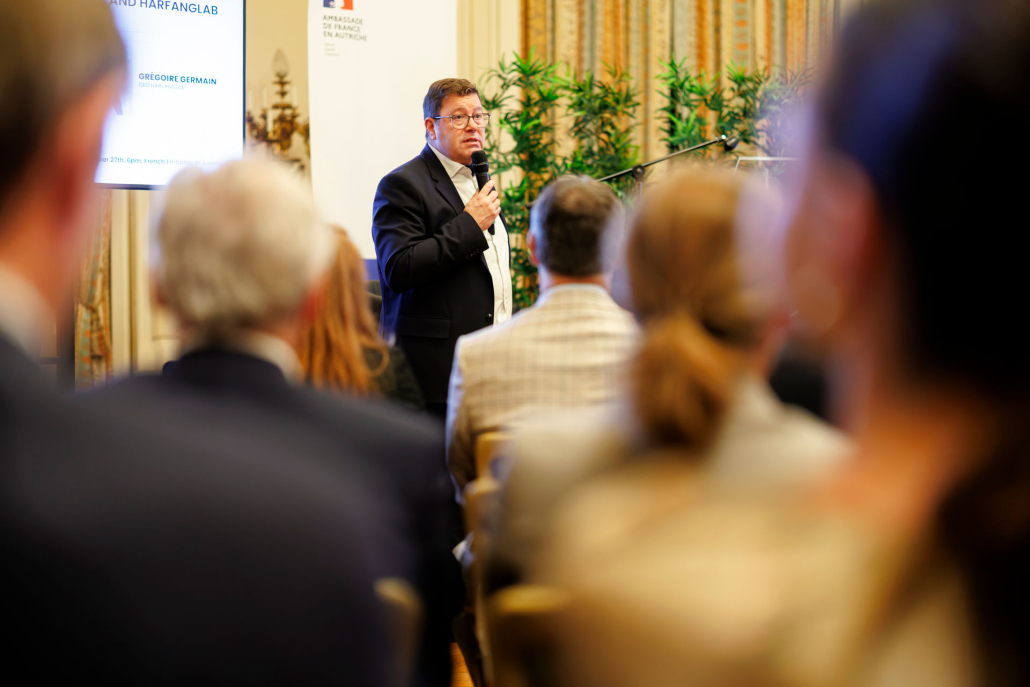
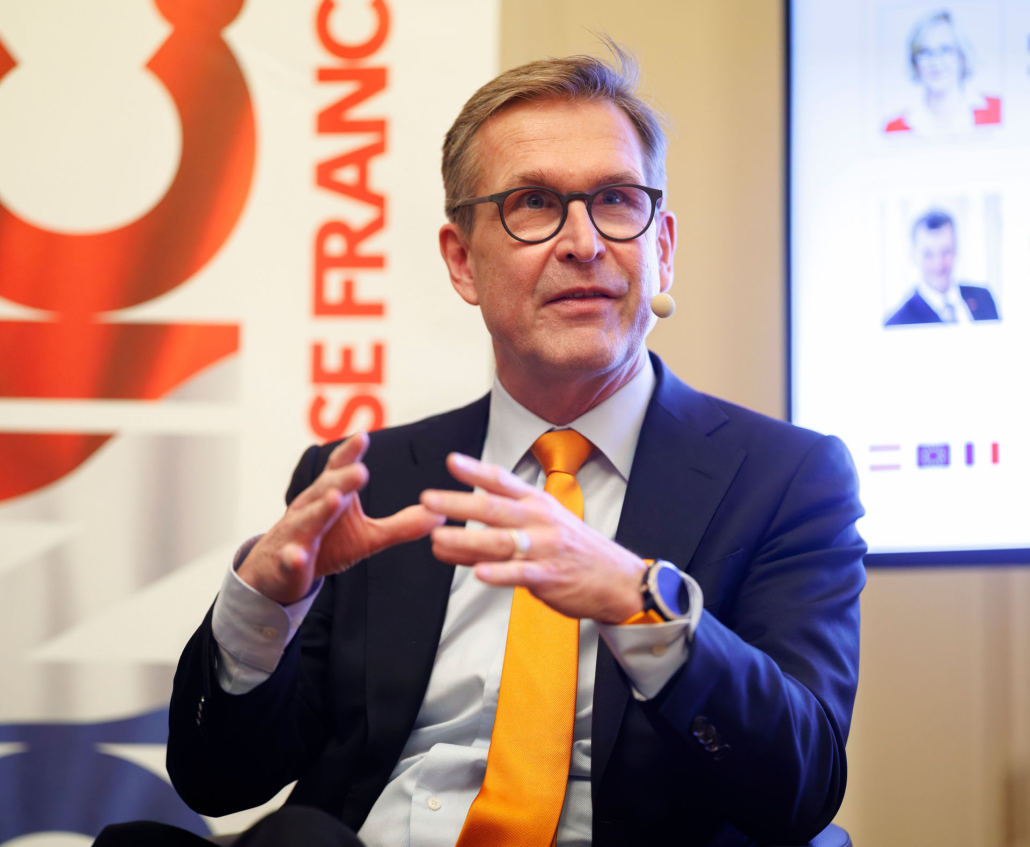
“I don’t really like the term digital sovereignty. I prefer to talk about strategic autonomy,” emphasized Grégoire Germain, CEO of HarfangLab, right at the start. Autonomy means the ability to act — and that does not happen by itself. It requires clear management-level decisions to invest deliberately in European technologies.
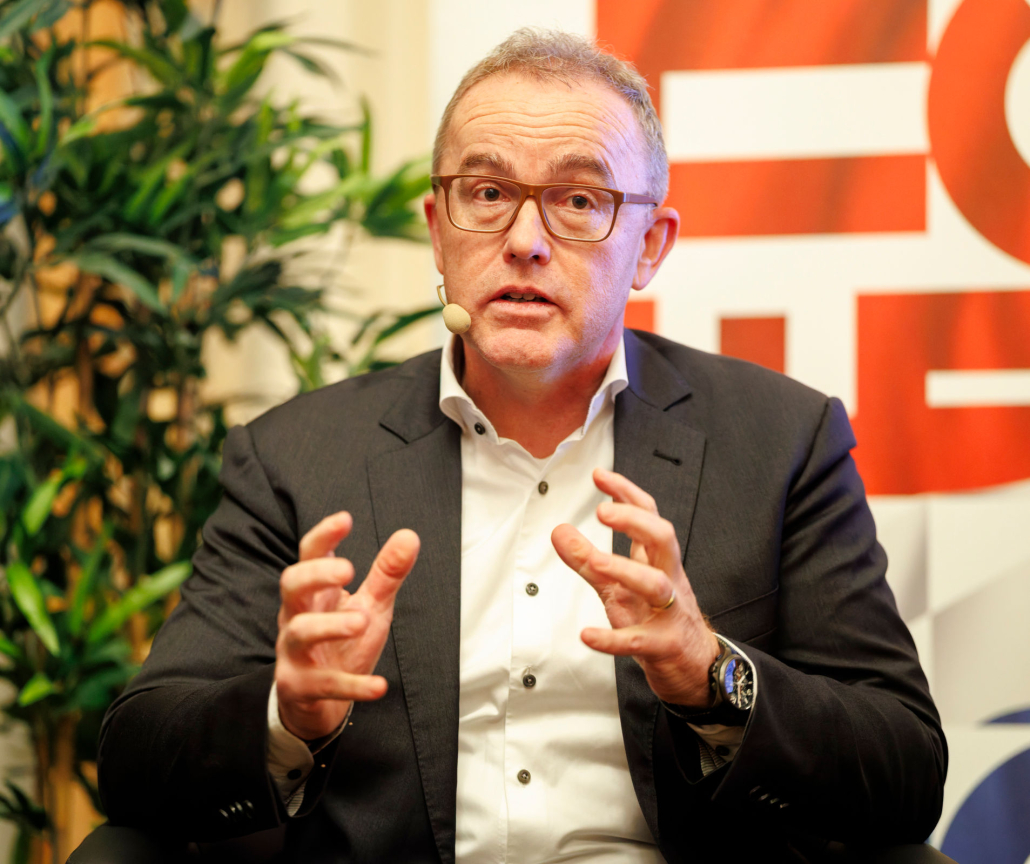
Joe Pichlmayr, CEO of IKARUS, highlighted an additional strategic benefit: a growing European sensor network makes it possible to develop our own European threat intelligence — more precise, faster, and independent of non-European data sources. “Digital autonomy is not only about reducing dependencies, but also about building our own capabilities and data,” Pichlmayr noted.
Together, IKARUS and HarfangLab are pursuing a clear vision: to build a high-performing European cybersecurity ecosystem as an independent alternative to today’s dominant tech providers — powered by alliances, specialization, and the combination of Europe’s strengths.
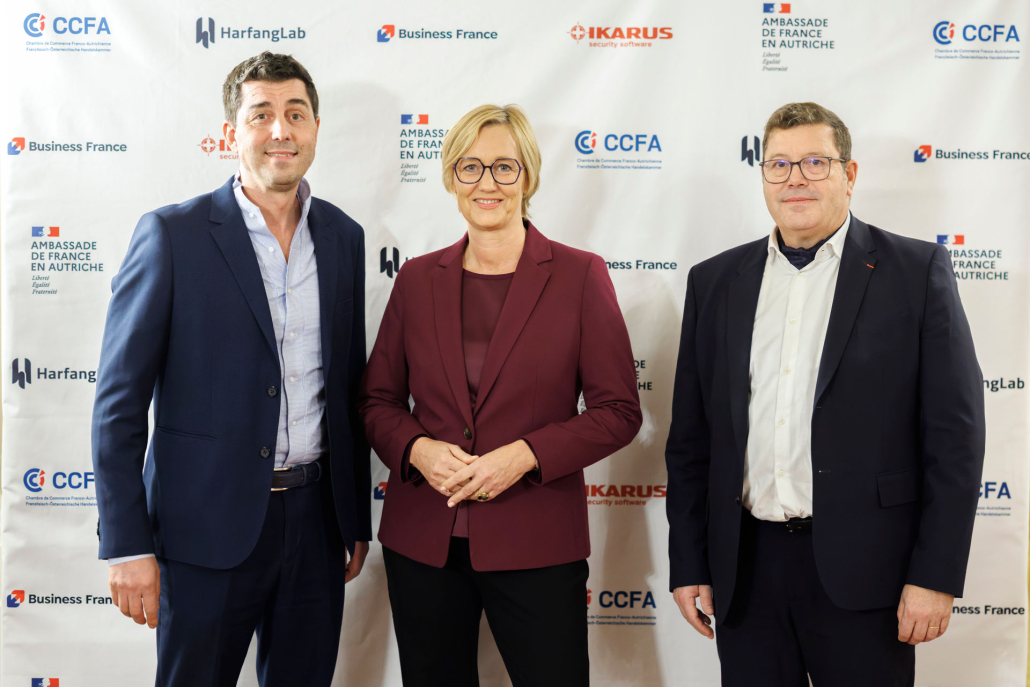
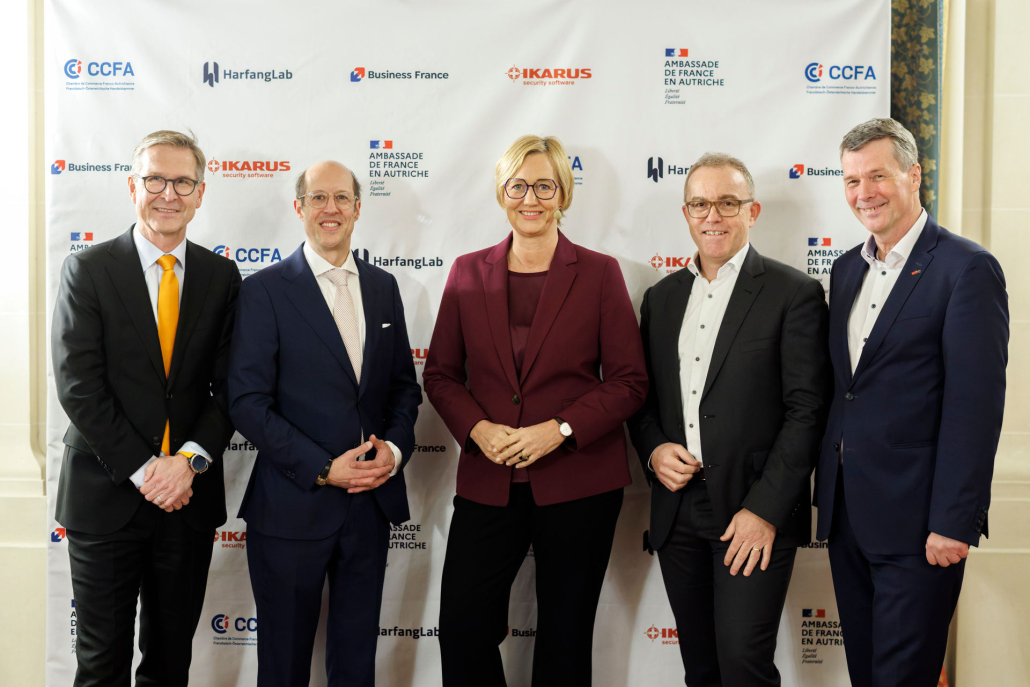
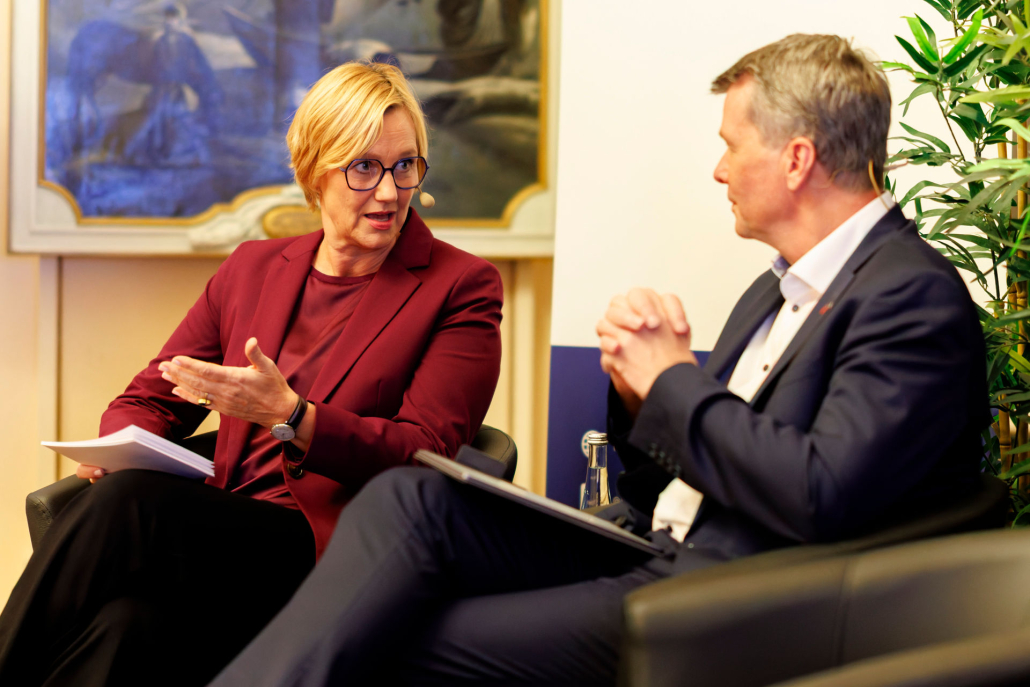
Under the excellent moderation of Birgit Fenderl, our expert panel brought different perspectives together. The points below highlight some of the key themes discussed.
Günter Koinegg, Head of Global Cybersecurity Services at Atos and ECSO board member, pointed out that a very large share of European investment still flows into U.S. technologies. This is not a question of quality — Europe has world-class know-how, education, and research. The real challenge lies in scaling these strengths and bringing them consistently into practice.
Horst Bischof, Rector of TU Graz and representative of one of Europe’s leading universities in technical cybersecurity, agreed: Europe has the best researchers and engineers in the world — but scalability and, above all, speed remain key bottlenecks. Artificial intelligence has further accelerated the race between attack and defense; Europe’s systems need to keep up.
From a legal perspective, Andreas Eustacchio, attorney specializing in IT, AI, and cybersecurity, described another tension: technological change is moving faster than legislation. Regulatory frameworks such as NIS2 and DORA are important drivers — but relying on fear of penalties is the wrong approach. What matters is that organizations understand the real damage caused by insufficient cybersecurity: incidents and system recovery are enormously costly and threaten business continuity.
Andreas Grigull, Sales Director Corporate Central Europe at OVHcloud, was optimistic. In his view, digital sovereignty — and thus autonomy and resilience — is a prerequisite for Europe to remain globally competitive. Europe can overcome current hurdles if it has the courage to consistently use its own technologies, trust in itself, and invest in its strengths.
The discussion made one point unmistakably clear: the prerequisites for digital sovereignty are in place. Europe’s challenge is not a lack of knowledge or capability, but consistent — and above all fast — implementation, especially where strategic decisions are made.
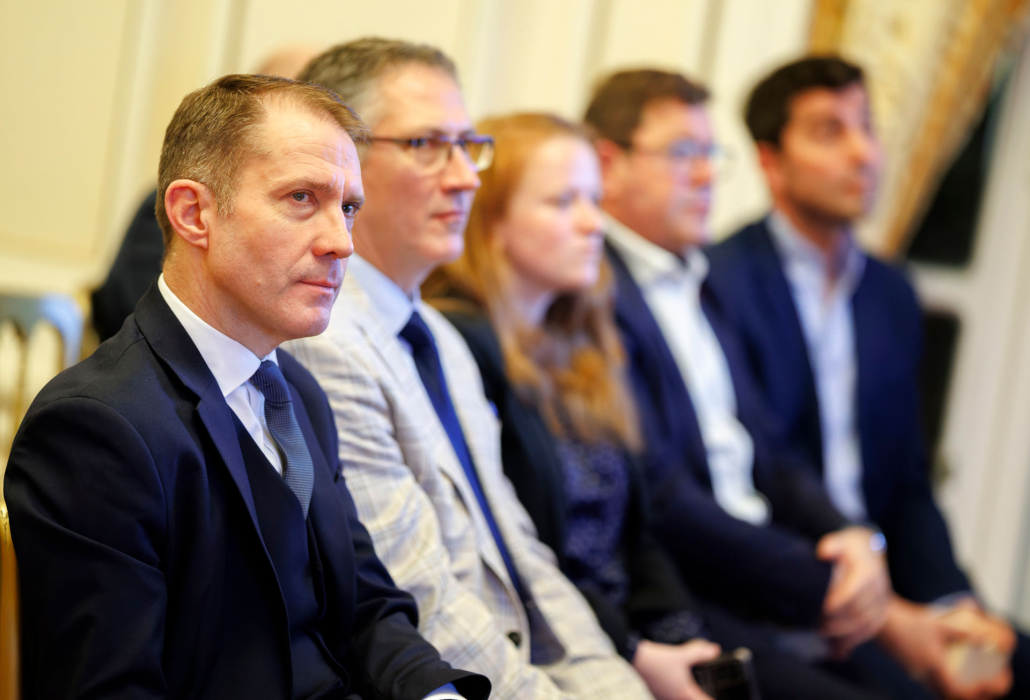
During the networking that followed, it also became clear how strong the interest is in concrete next steps and how valuable open exchange across organizational and professional boundaries remains.
Digital sovereignty remains an important buzzword — one that can and should be translated into real-world action.
Practical tip:
If you want to take a first concrete step toward digital sovereignty at the endpoint, our upcoming webinar will provide hands-on insights and a live demo of our Franco-Austrian EDR & EPP solution.
 https://www.ikarussecurity.com/wp-content/uploads/2026/06/supply-chain-attack-300-AI-generated.jpg
151
300
IKARUS
https://www.ikarussecurity.com/wp-content/uploads/2026/02/IKARUS-Security-Logo-2.png
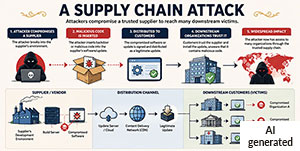
IKARUS2026-06-26 12:27:172026-08-02 13:36:09Supply Chain Attacks: When Service Providers Become the Gateway
https://www.ikarussecurity.com/wp-content/uploads/2026/06/supply-chain-attack-300-AI-generated.jpg
151
300
IKARUS
https://www.ikarussecurity.com/wp-content/uploads/2026/02/IKARUS-Security-Logo-2.png
IKARUS2026-06-26 12:27:172026-08-02 13:36:09Supply Chain Attacks: When Service Providers Become the Gateway https://www.ikarussecurity.com/wp-content/uploads/2023/05/ransomware-2.jpg
338
600
IKARUS
https://www.ikarussecurity.com/wp-content/uploads/2026/02/IKARUS-Security-Logo-2.png
IKARUS2026-04-28 09:39:482026-04-28 09:41:39Ransomware is changing: from encryption to data Theft
https://www.ikarussecurity.com/wp-content/uploads/2023/05/ransomware-2.jpg
338
600
IKARUS
https://www.ikarussecurity.com/wp-content/uploads/2026/02/IKARUS-Security-Logo-2.png
IKARUS2026-04-28 09:39:482026-04-28 09:41:39Ransomware is changing: from encryption to data Theft https://www.ikarussecurity.com/wp-content/uploads/2026/03/ENISA-Threat-Landscape-Report-2025-.png
424
300
IKARUS
https://www.ikarussecurity.com/wp-content/uploads/2026/02/IKARUS-Security-Logo-2.png
IKARUS2026-03-10 10:49:242026-03-10 11:06:01Cyber Threats in Europe
https://www.ikarussecurity.com/wp-content/uploads/2026/03/ENISA-Threat-Landscape-Report-2025-.png
424
300
IKARUS
https://www.ikarussecurity.com/wp-content/uploads/2026/02/IKARUS-Security-Logo-2.png
IKARUS2026-03-10 10:49:242026-03-10 11:06:01Cyber Threats in Europe https://www.ikarussecurity.com/wp-content/uploads/2026/03/IKARUS_Logo-red-rgb-350.png
84
350
IKARUS
https://www.ikarussecurity.com/wp-content/uploads/2026/02/IKARUS-Security-Logo-2.png
IKARUS2026-03-02 10:06:202026-03-02 10:06:29New Company Name and New Office Address as of March 1, 2026
https://www.ikarussecurity.com/wp-content/uploads/2026/03/IKARUS_Logo-red-rgb-350.png
84
350
IKARUS
https://www.ikarussecurity.com/wp-content/uploads/2026/02/IKARUS-Security-Logo-2.png
IKARUS2026-03-02 10:06:202026-03-02 10:06:29New Company Name and New Office Address as of March 1, 2026 https://www.ikarussecurity.com/wp-content/uploads/2026/02/BSI-DSZ-BSZ-0021-2025_IT-Sicherheitszertifikat_eng12019.png
753
752
IKARUS
https://www.ikarussecurity.com/wp-content/uploads/2026/02/IKARUS-Security-Logo-2.png
IKARUS2026-02-02 16:12:312026-02-02 16:18:51BSI-certified EDR agent for HarfangLab Guard feat. IKARUS
https://www.ikarussecurity.com/wp-content/uploads/2026/02/BSI-DSZ-BSZ-0021-2025_IT-Sicherheitszertifikat_eng12019.png
753
752
IKARUS
https://www.ikarussecurity.com/wp-content/uploads/2026/02/IKARUS-Security-Logo-2.png
IKARUS2026-02-02 16:12:312026-02-02 16:18:51BSI-certified EDR agent for HarfangLab Guard feat. IKARUS https://www.ikarussecurity.com/wp-content/uploads/2024/10/HarfangLab-Guard-400.jpg
285
400
IKARUS
https://www.ikarussecurity.com/wp-content/uploads/2026/02/IKARUS-Security-Logo-2.png
IKARUS2026-01-27 11:45:072026-01-27 11:47:47Austrian Universities Move Toward European Endpoint Security with Data Sovereignty
https://www.ikarussecurity.com/wp-content/uploads/2024/10/HarfangLab-Guard-400.jpg
285
400
IKARUS
https://www.ikarussecurity.com/wp-content/uploads/2026/02/IKARUS-Security-Logo-2.png
IKARUS2026-01-27 11:45:072026-01-27 11:47:47Austrian Universities Move Toward European Endpoint Security with Data Sovereignty https://www.ikarussecurity.com/wp-content/uploads/2025/12/Attack-Surface-Management-600.jpg
467
600
IKARUS
https://www.ikarussecurity.com/wp-content/uploads/2026/02/IKARUS-Security-Logo-2.png
IKARUS2025-12-09 11:49:312025-12-09 11:49:32Attack Surface Management (ASM)
https://www.ikarussecurity.com/wp-content/uploads/2025/12/Attack-Surface-Management-600.jpg
467
600
IKARUS
https://www.ikarussecurity.com/wp-content/uploads/2026/02/IKARUS-Security-Logo-2.png
IKARUS2025-12-09 11:49:312025-12-09 11:49:32Attack Surface Management (ASM) https://www.ikarussecurity.com/wp-content/uploads/2025/11/NOZOMI-EMEA-MSSP-Award-2025-web.png
420
595
IKARUS
https://www.ikarussecurity.com/wp-content/uploads/2026/02/IKARUS-Security-Logo-2.png
IKARUS2025-11-24 12:36:312025-11-24 12:36:31IKARUS Named ‘EMEA MSSP of the Year 2025’ by Nozomi Networks
https://www.ikarussecurity.com/wp-content/uploads/2025/11/NOZOMI-EMEA-MSSP-Award-2025-web.png
420
595
IKARUS
https://www.ikarussecurity.com/wp-content/uploads/2026/02/IKARUS-Security-Logo-2.png
IKARUS2025-11-24 12:36:312025-11-24 12:36:31IKARUS Named ‘EMEA MSSP of the Year 2025’ by Nozomi Networks https://www.ikarussecurity.com/wp-content/uploads/2025/11/iot-general-AI-generated.jpg
130
300
IKARUS
https://www.ikarussecurity.com/wp-content/uploads/2026/02/IKARUS-Security-Logo-2.png
IKARUS2025-11-07 11:46:412026-08-02 13:43:41ASCON: New NIST Standard for Lightweight IoT Cryptography
https://www.ikarussecurity.com/wp-content/uploads/2025/11/iot-general-AI-generated.jpg
130
300
IKARUS
https://www.ikarussecurity.com/wp-content/uploads/2026/02/IKARUS-Security-Logo-2.png
IKARUS2025-11-07 11:46:412026-08-02 13:43:41ASCON: New NIST Standard for Lightweight IoT Cryptography https://www.ikarussecurity.com/wp-content/uploads/2025/10/mail-security-firewall-300-AI-generated.jpg
200
300
IKARUS
https://www.ikarussecurity.com/wp-content/uploads/2026/02/IKARUS-Security-Logo-2.png
IKARUS2025-10-06 16:04:082026-08-02 13:45:42The Interaction Between Firewall and Email Security
https://www.ikarussecurity.com/wp-content/uploads/2025/10/mail-security-firewall-300-AI-generated.jpg
200
300
IKARUS
https://www.ikarussecurity.com/wp-content/uploads/2026/02/IKARUS-Security-Logo-2.png
IKARUS2025-10-06 16:04:082026-08-02 13:45:42The Interaction Between Firewall and Email Security https://www.ikarussecurity.com/wp-content/uploads/2025/09/Mitsubishi_Electric-Nozomi.png
400
600
IKARUS
https://www.ikarussecurity.com/wp-content/uploads/2026/02/IKARUS-Security-Logo-2.png
IKARUS2025-09-10 14:06:592025-09-10 14:07:00Customer Information: Acquisition of Nozomi Networks by Mitsubishi Electric
https://www.ikarussecurity.com/wp-content/uploads/2025/09/Mitsubishi_Electric-Nozomi.png
400
600
IKARUS
https://www.ikarussecurity.com/wp-content/uploads/2026/02/IKARUS-Security-Logo-2.png
IKARUS2025-09-10 14:06:592025-09-10 14:07:00Customer Information: Acquisition of Nozomi Networks by Mitsubishi Electric https://www.ikarussecurity.com/wp-content/uploads/2025/08/WildeTiere-Wasserloch-300-AI-generated.jpg
200
300
IKARUS
https://www.ikarussecurity.com/wp-content/uploads/2026/02/IKARUS-Security-Logo-2.png
IKARUS2025-08-13 11:17:172026-08-02 13:47:33Watering Hole Attacks: How They Work, the Risks, and Protection Strategies
https://www.ikarussecurity.com/wp-content/uploads/2025/08/WildeTiere-Wasserloch-300-AI-generated.jpg
200
300
IKARUS
https://www.ikarussecurity.com/wp-content/uploads/2026/02/IKARUS-Security-Logo-2.png
IKARUS2025-08-13 11:17:172026-08-02 13:47:33Watering Hole Attacks: How They Work, the Risks, and Protection Strategies https://www.ikarussecurity.com/wp-content/uploads/2025/07/Computerhardware-aus-den-80ern-auf-einem-Mistplatz-AI-generated.jpg
234
300
IKARUS
https://www.ikarussecurity.com/wp-content/uploads/2026/02/IKARUS-Security-Logo-2.png
IKARUS2025-07-24 13:18:212026-08-02 13:49:44Legacy Systems: How Outdated Hardware and Software Threaten Corporate Security
https://www.ikarussecurity.com/wp-content/uploads/2025/07/Computerhardware-aus-den-80ern-auf-einem-Mistplatz-AI-generated.jpg
234
300
IKARUS
https://www.ikarussecurity.com/wp-content/uploads/2026/02/IKARUS-Security-Logo-2.png
IKARUS2025-07-24 13:18:212026-08-02 13:49:44Legacy Systems: How Outdated Hardware and Software Threaten Corporate Security https://www.ikarussecurity.com/wp-content/uploads/2025/07/Windows-Zero-Day.jpg
607
800
IKARUS
https://www.ikarussecurity.com/wp-content/uploads/2026/02/IKARUS-Security-Logo-2.png
IKARUS2025-07-10 13:23:132025-07-10 13:23:15Zero-Day Vulnerability in Windows Shortcuts
https://www.ikarussecurity.com/wp-content/uploads/2025/07/Windows-Zero-Day.jpg
607
800
IKARUS
https://www.ikarussecurity.com/wp-content/uploads/2026/02/IKARUS-Security-Logo-2.png
IKARUS2025-07-10 13:23:132025-07-10 13:23:15Zero-Day Vulnerability in Windows Shortcuts https://www.ikarussecurity.com/wp-content/uploads/2025/06/OWASP-Top-10.jpg
166
304
IKARUS
https://www.ikarussecurity.com/wp-content/uploads/2026/02/IKARUS-Security-Logo-2.png
IKARUS2025-06-18 14:37:552025-06-20 11:03:57OWASP Top 10 for LLMs: New Security Challenges due to AI
https://www.ikarussecurity.com/wp-content/uploads/2025/06/OWASP-Top-10.jpg
166
304
IKARUS
https://www.ikarussecurity.com/wp-content/uploads/2026/02/IKARUS-Security-Logo-2.png
IKARUS2025-06-18 14:37:552025-06-20 11:03:57OWASP Top 10 for LLMs: New Security Challenges due to AI https://www.ikarussecurity.com/wp-content/uploads/2025/06/Desinfect2025.png
524
971
IKARUS
https://www.ikarussecurity.com/wp-content/uploads/2026/02/IKARUS-Security-Logo-2.png
IKARUS2025-06-11 15:03:112025-06-20 11:05:43IKARUS malware.scanner now part of Heise Desinfec’t
https://www.ikarussecurity.com/wp-content/uploads/2025/06/Desinfect2025.png
524
971
IKARUS
https://www.ikarussecurity.com/wp-content/uploads/2026/02/IKARUS-Security-Logo-2.png
IKARUS2025-06-11 15:03:112025-06-20 11:05:43IKARUS malware.scanner now part of Heise Desinfec’t
 Attack Surface Management (ASM)
Scroll to top
Attack Surface Management (ASM)
Scroll to top